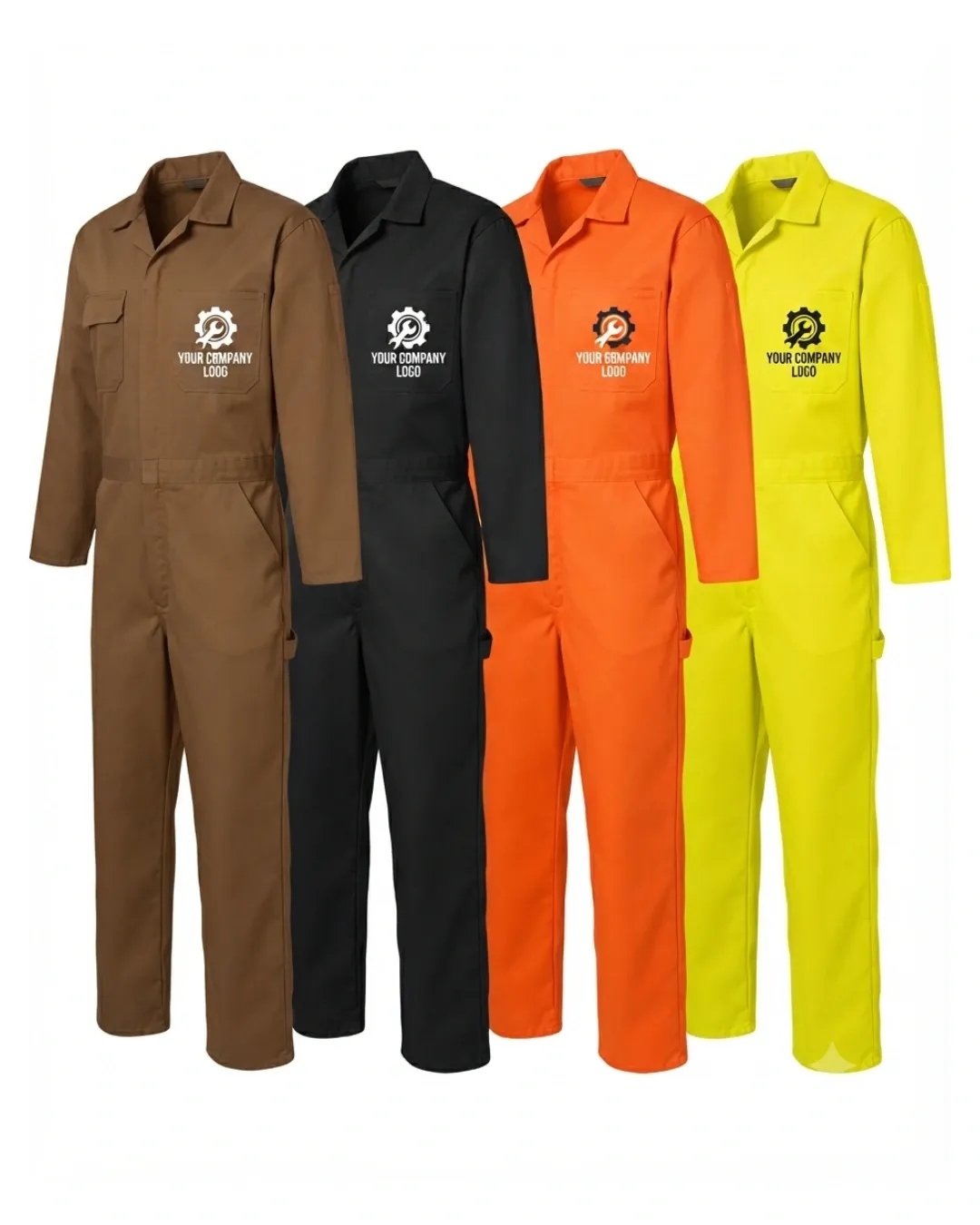
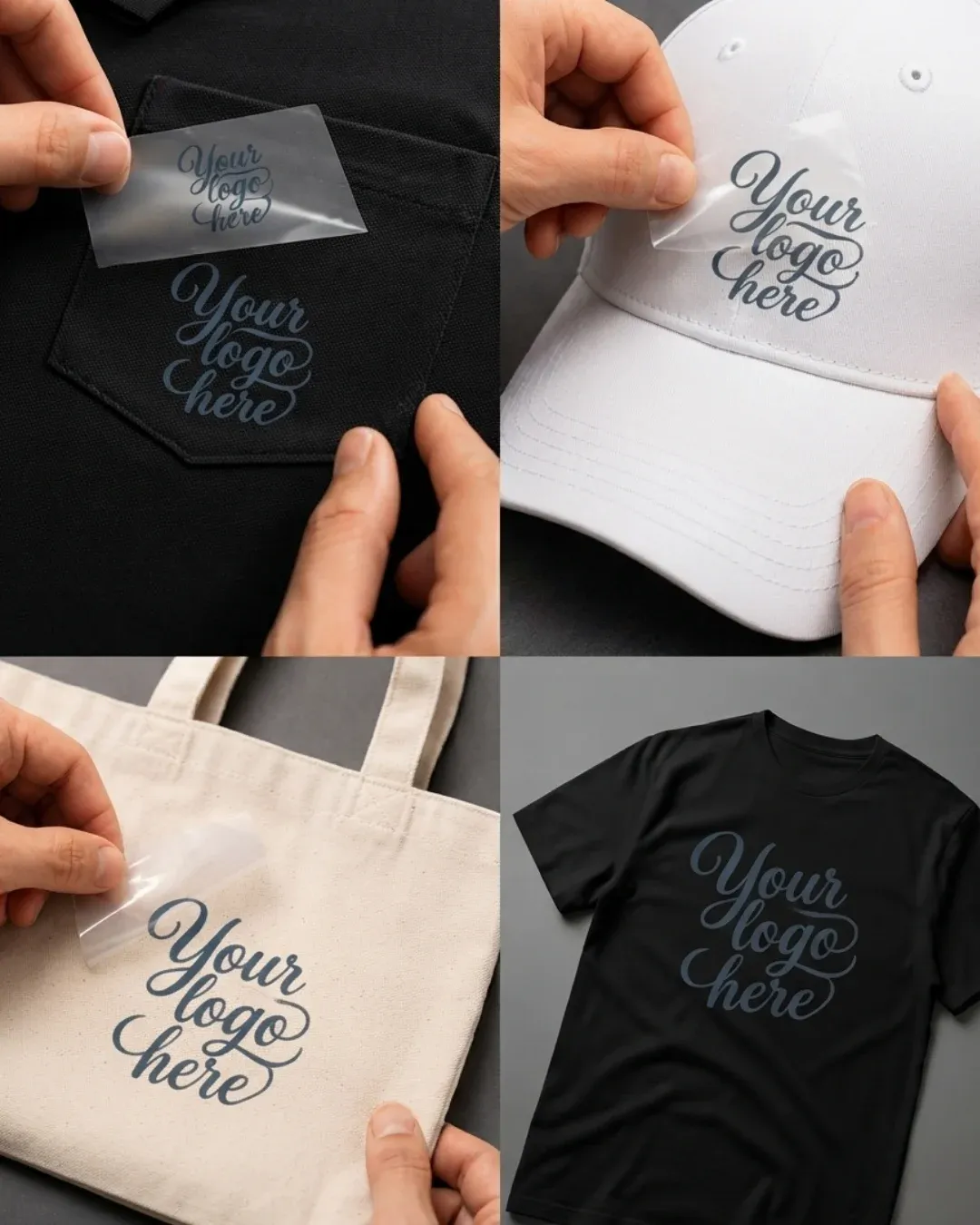
Textile printing applies logos, patterns and full designs directly to fabric and finished garments rather than to a single shirt type. Exhibition Printing Riyadh runs silk screen, silicone screen and DTF lines in its Riyadh factory for fabric used at stands and events, branded garment ranges and uniform suppliers, with sampling on request and delivery throughout Saudi Arabia.
Textile printing is the service to use when the question is not which shirt but which fabric. A tote for a conference bag, a table cover for a stand, a batch of polo shirts for a retail launch and a roll of cloth for a tailor's uniform order all land here, because the material comes first and the garment second.
Fabric behaviour sets the limits. Cotton takes ink readily, polyester needs the right ink system and can migrate dye into light colours, and stretch fabrics need a print that stretches with them. Tell us the fibre content and the end use, and we will test the combination before committing a full run. Samples are available on request for exactly this reason.
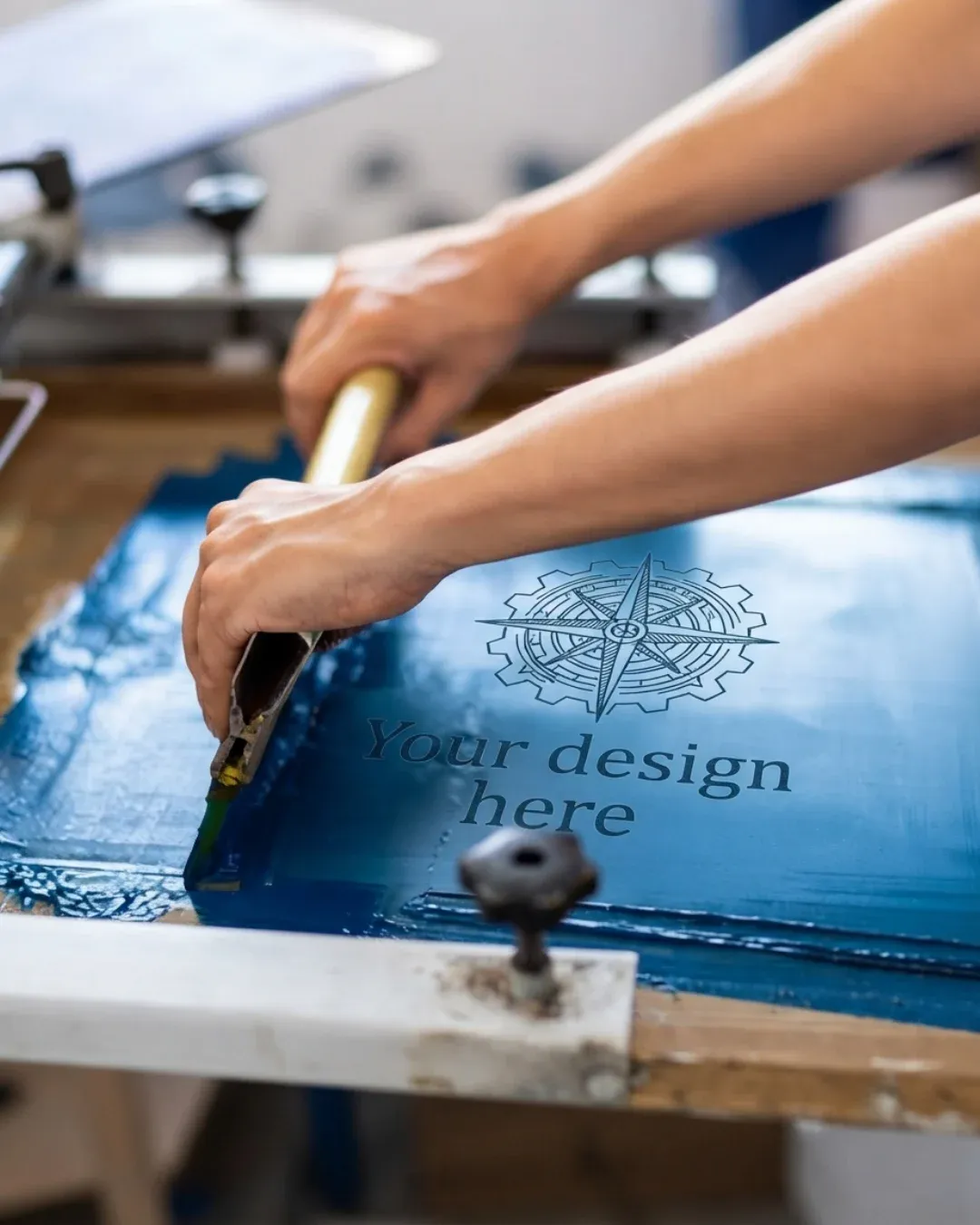
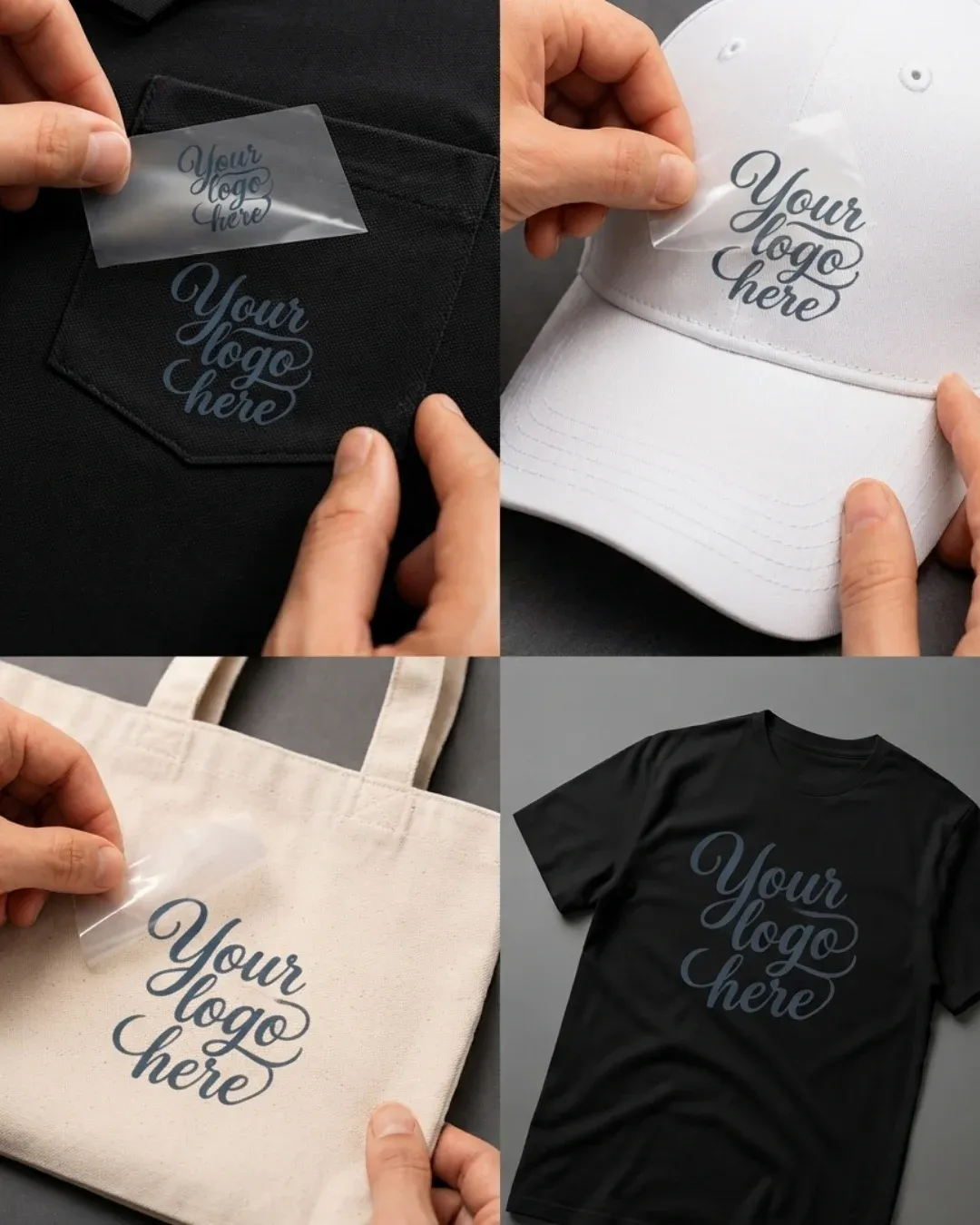
On the floor we have three routes. Silk screen printing with plastisol or water-based inks for spot colours and bulk yardage. Automatic silicone screen printing for flexible prints on garments. DTF for detailed, multi-colour artwork on shorter runs or mixed materials. You can supply fabric or ask us to source it.
Exhibition Printing Riyadh has handled textile work for 15+ years from its own factory in Riyadh. Standard orders typically take 2-5 business days, rush is available on request, and delivery covers the whole Kingdom.
Who orders this
Fashion and clothing brands
Garment makers and uniform suppliers
Retailers building private-label ranges
Event and exhibition teams
Businesses printing branded fabric items
How does fabric type change the print?
Fibre decides how ink or film bonds. Cotton takes screen ink and DTF readily, though its surface can look rougher on a coarse weave. Polyester is smooth and strong, but some dark or brightly dyed polyester can release dye into the print under heat. Stretch fabrics need a flexible print that moves with them. Open weaves and textured surfaces can break up fine detail. Tell us the composition, or send a swatch if you are unsure.
Should I print the fabric first or the finished garment?
Printing finished pieces is simple for logos and placed designs, and it lets you order only what you need. Printing cut panels before sewing suits designs that must sit precisely or cross a seam, but it takes coordination with your sewing workshop. An all-over or repeating pattern on a long length is a different job, and suitability depends on the fabric and repeat, so ask us before you commit to a design.
How do I check a print will last before ordering in bulk?
Ask for a sample on your actual fabric when the order is large. Then test it the way the product will be used: wash it several times, rub it, stretch it and leave it in the sun. Check for cracking, peeling, colour transfer and shrinkage. Natural fabrics may shrink, so pre-wash a swatch and measure it. A short test costs little compared with reprinting a full run.
Textile Printing: options compared
Option
Best for
Good to know
Silicone screen on cotton or blends
Repeat production with solid, repeatable colour
Each colour needs a screen, so simple designs make the most sense
DTF on mixed fabrics
Short runs and detailed artwork across varied materials
Check heat tolerance first, as some thin or coated fabrics can mark
Finished garment printing
Logos and placed designs on ready-made clothing
Simple to order; printing across seams and zips is restricted
Printing cut panels before sewing
Fashion labels needing precise pattern placement
Available on request; coordinate panel sizes with your sewing workshop
Sublimation on polyester
All-over colour with no added feel on the fabric
Available on request; suits light polyester, not cotton
What affects the price of Textile Printing
01
Fabric type and conditionDelicate, stretchy or heat-sensitive fabrics take more care and may need testing.
02
Print coverageLarger printed areas use more ink or film and take longer to produce.
03
Run lengthShort runs carry more setup per piece, while repeat production spreads it out.
04
Sampling and fabric supplyAsking us to source the material or prepare a sample adds to the project scope.
What to send us
Fabric composition, colour and a swatch if possible
Vector artwork, or 300 dpi files at full print size
Seamless tile files for repeat patterns, plus repeat size
Tech pack or mock-up showing placement on the panel or garment
Good to know
Textile Printing: common questions
Quick answers about our services, timing, artwork and delivery. Have another question? Call or WhatsApp us.
Do you offer textile printing in Riyadh for repeat orders?
Yes, we print in-house in Riyadh and handle both one-off projects and repeat production. Share your fabric, artwork and quantity and we will advise on the best route.
Can I supply my own fabric for printing?
This is available on request, depending on the material and method. Tell us about your fabric first and we will confirm whether it suits the job.
What is the difference between textile printing and T-shirt printing?
Textile printing is the wider service and covers fabric and many types of garment, while T-shirt printing focuses on finished shirts. If your project is shirts only, our T-shirt printing page is the better starting point.
Will the fabric shrink after printing?
Natural fibres can shrink when washed, whether printed or not. If exact sizing matters, pre-wash the fabric before cutting or printing, and let us know so the design can allow for it.
Can you match my exact brand colour on fabric?
Screen ink can be mixed close to a Pantone reference, while DTF colour is close but less exact. The base fabric also changes how a colour looks, so ask for a sample if the match is critical.
Can you print a repeating pattern across a length of fabric?
This is available on request, depending on the fabric, repeat size and quantity. Send your repeat artwork and the length you need, and we will tell you whether it is practical.