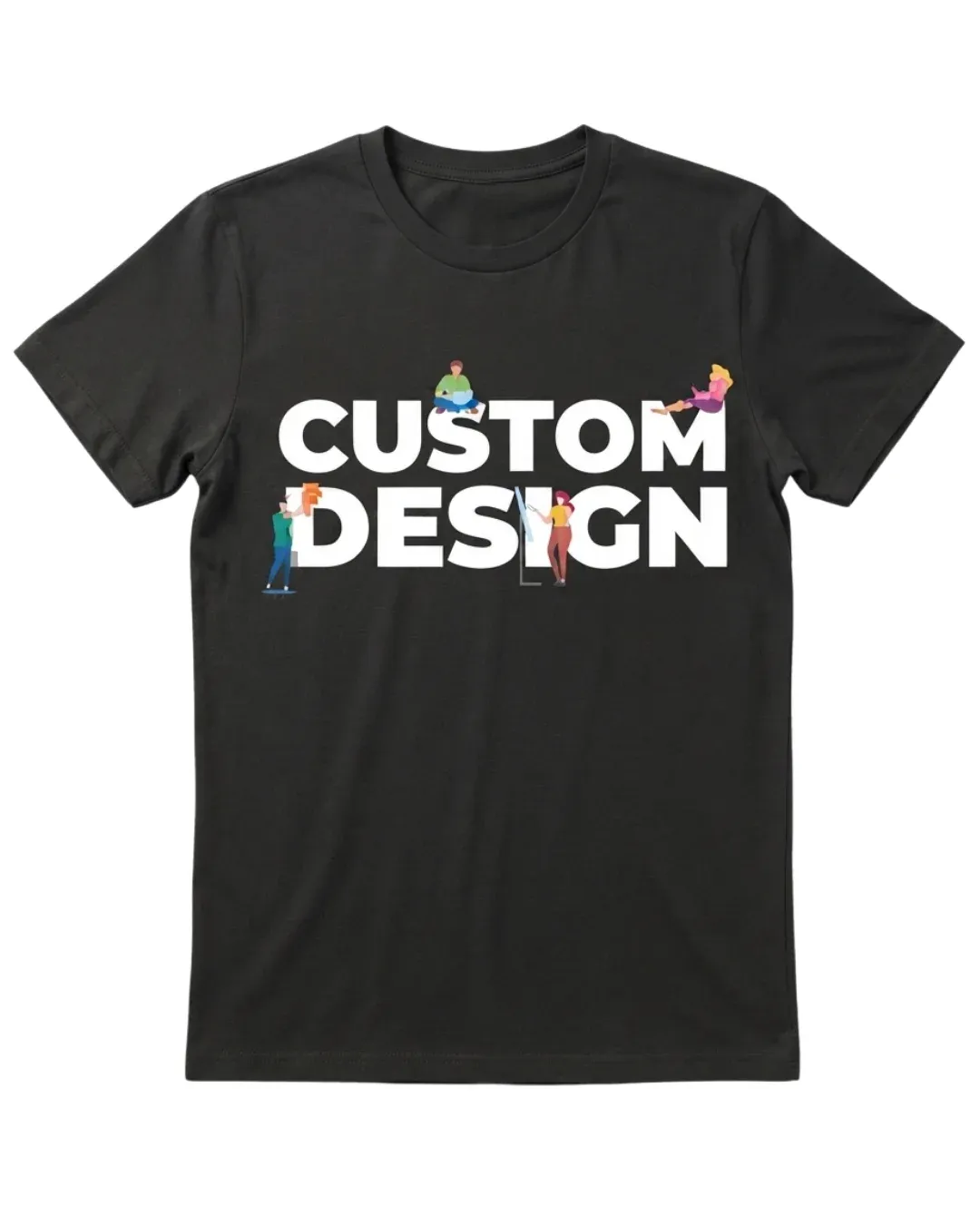
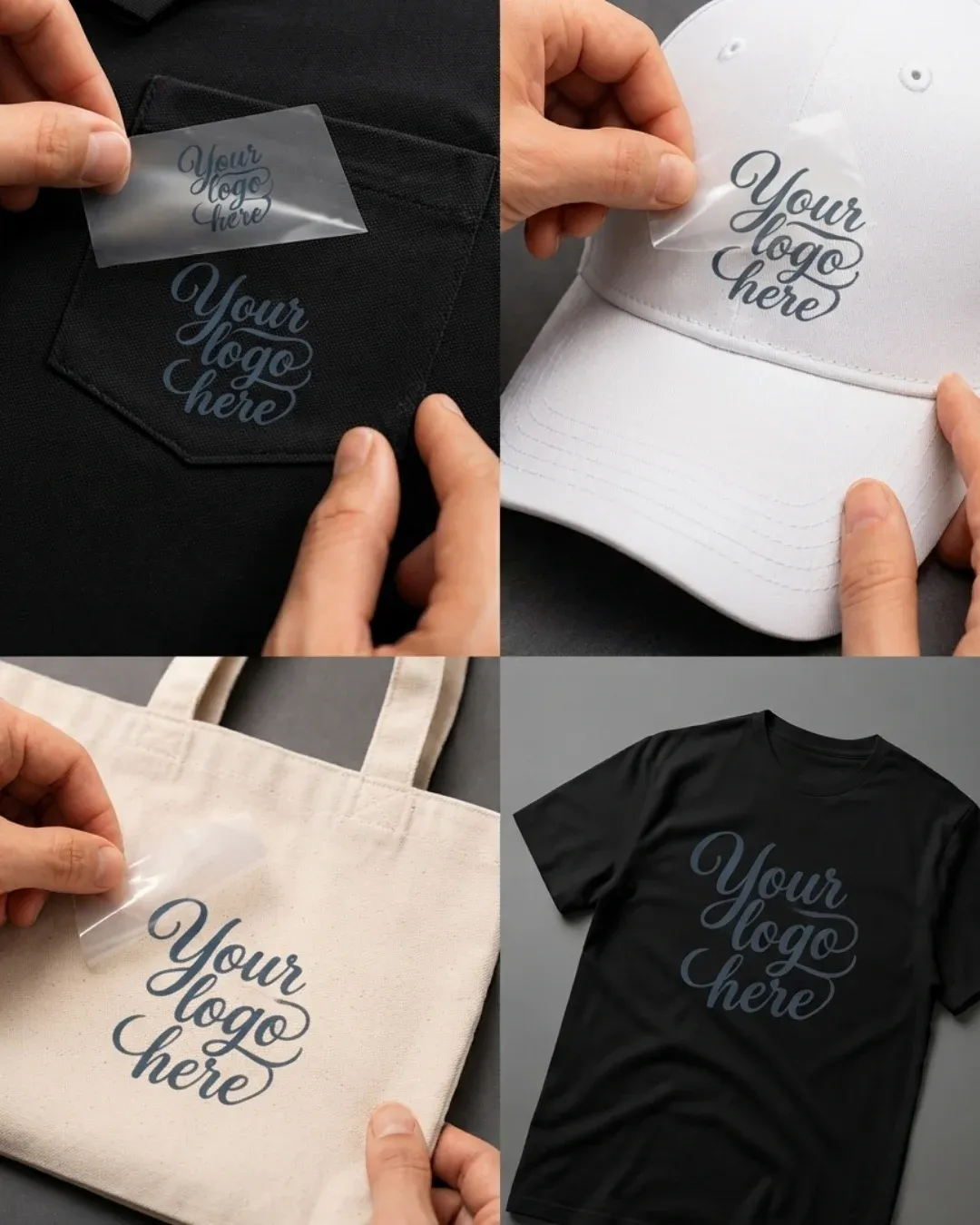
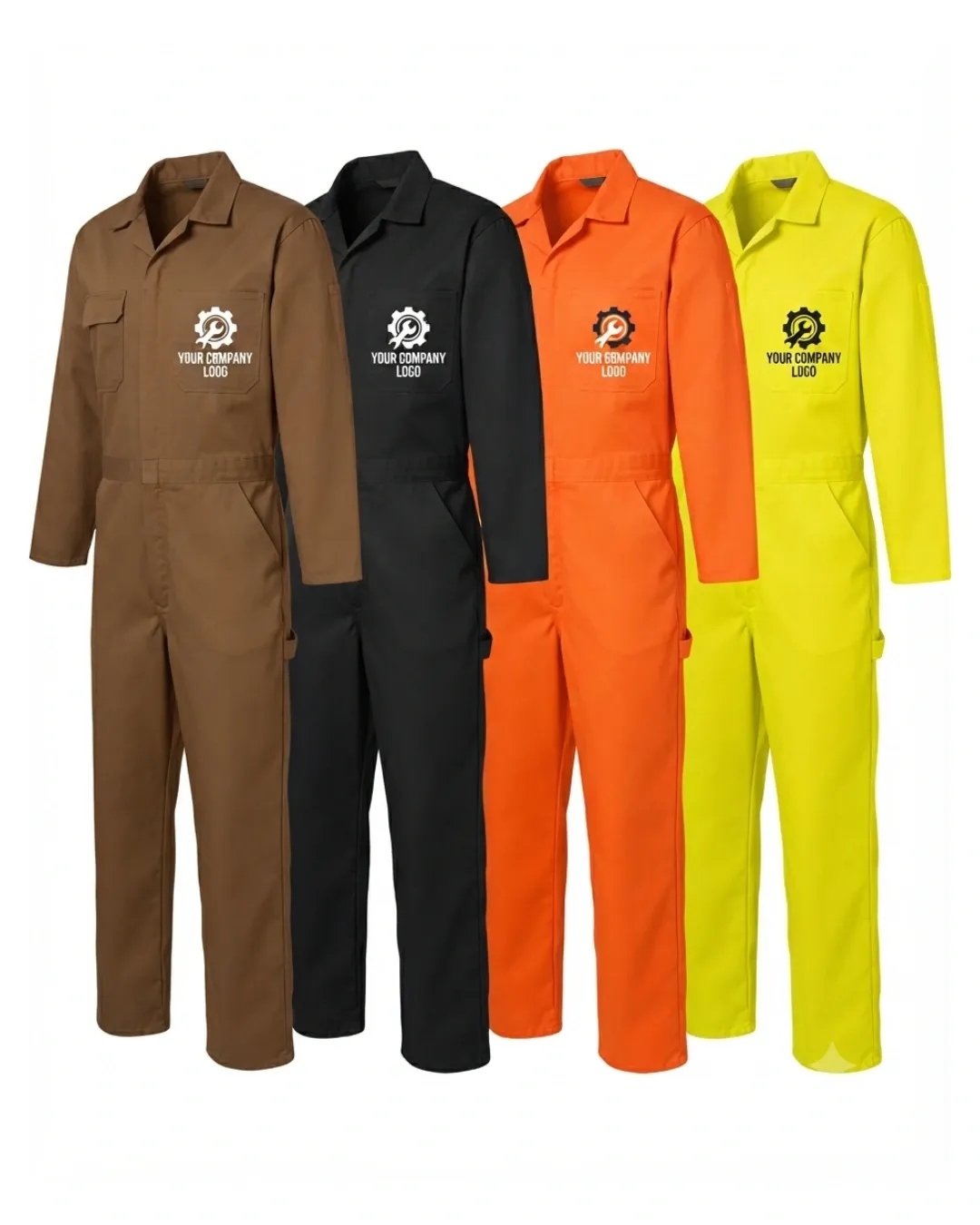
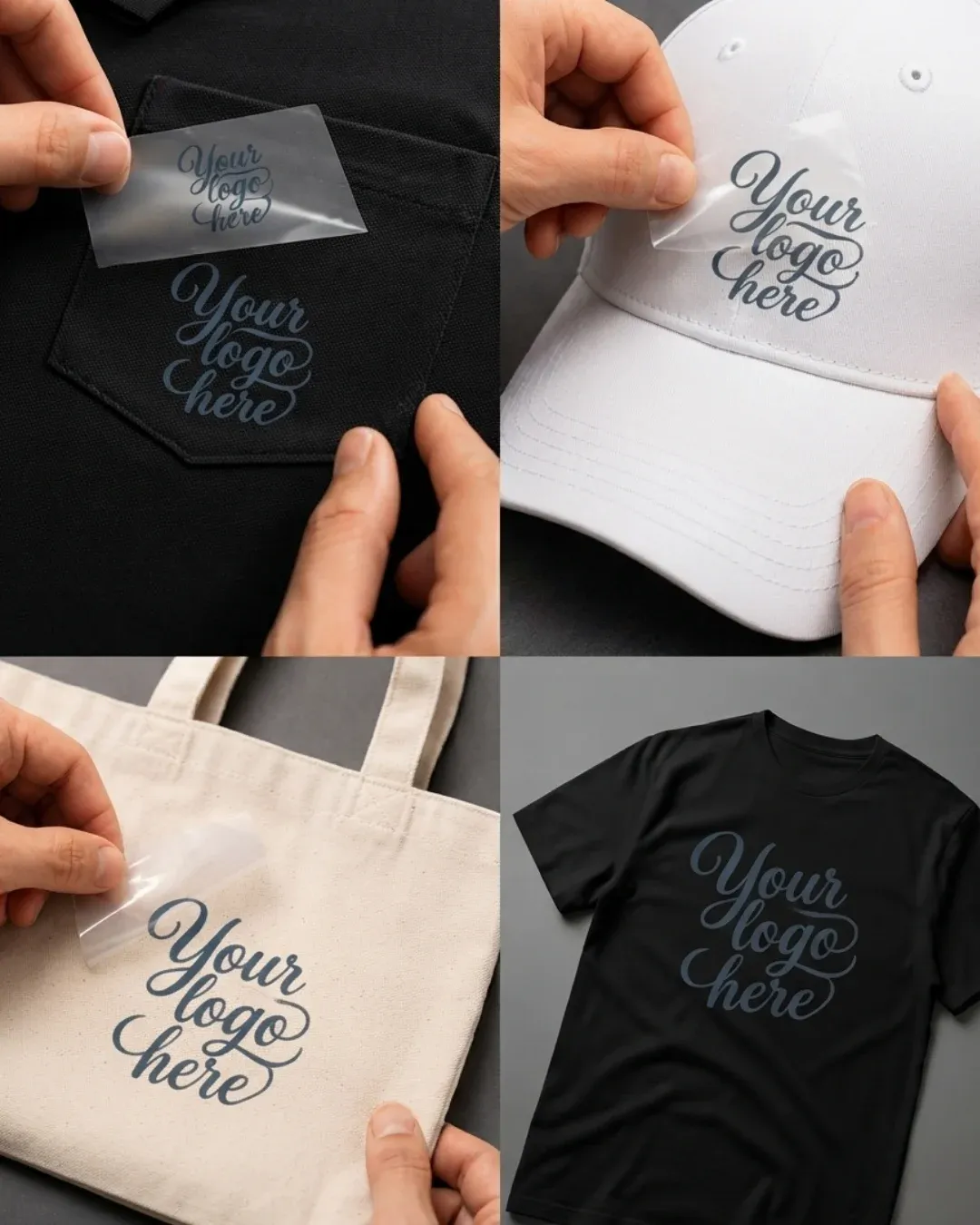
T-shirt printing produces matching shirts for exhibition stand staff, event volunteers, promo teams and company days, with your logo or campaign artwork applied by silicone screen printing or DTF. Exhibition Printing Riyadh prints the run in its own Riyadh factory, checks your design free of charge and delivers to venues and offices across Saudi Arabia.
At a busy show, a visitor decides in a second who to ask for help. Matching crew tees make that decision easy, and they photograph well in post-event coverage. The same shirt works for volunteers at a conference, a street promo team or a company sports day, which is why it is usually the first apparel item an organiser orders.
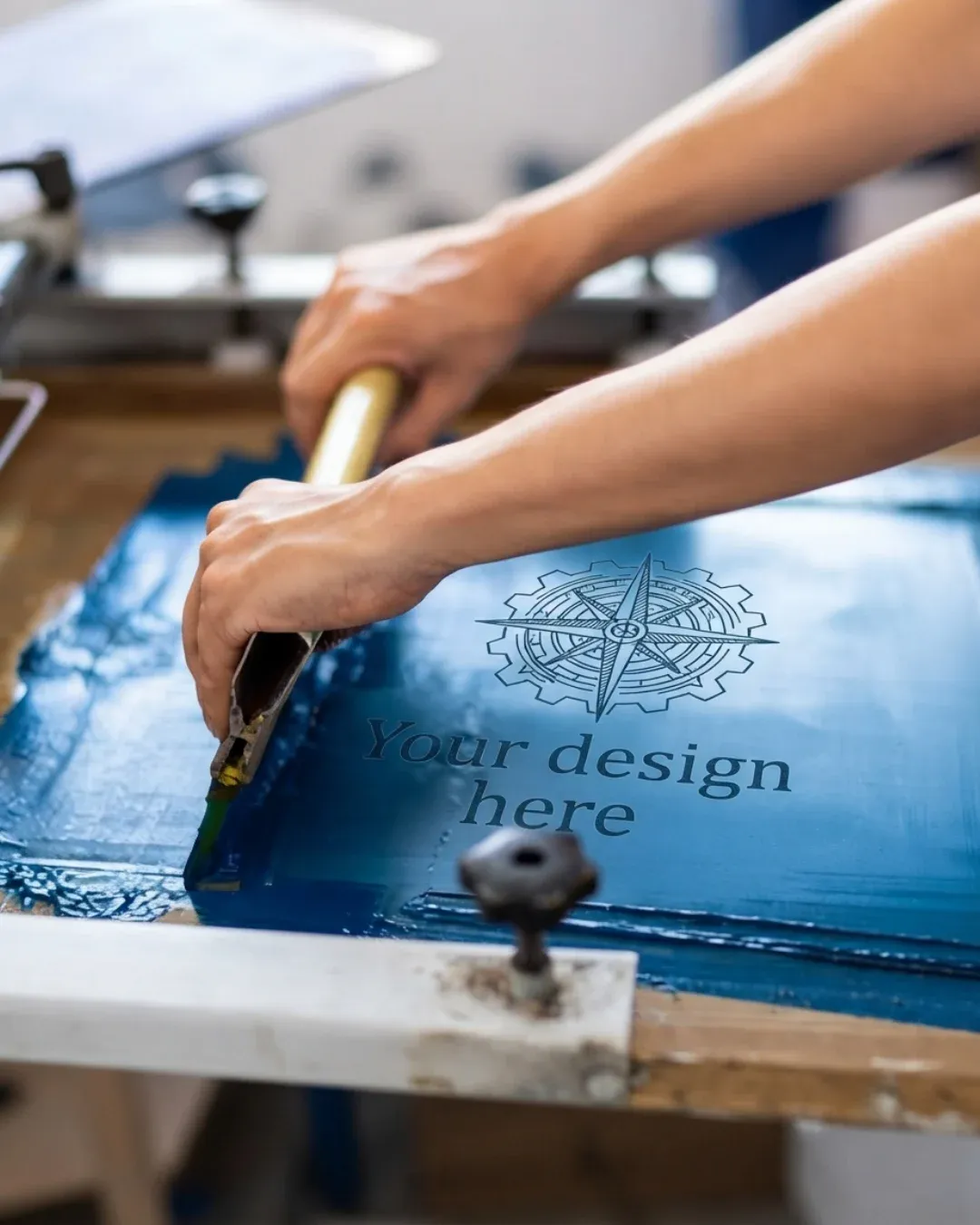
Two things decide how we print it. The first is quantity: a few hundred shirts with a one or two colour logo go on our automatic silicone screen line, where every shirt gets the same ink deposit and the print lasts the whole event season. The second is artwork: a block of sponsor logos, a photo or a gradient is better served by DTF, which also suits a short run of speaker or VIP shirts.
Decide the print positions early. Front chest for the logo, full back for a slogan or sponsor block, and a sleeve for a hashtag or edition date are the common set. Tell us the shirt colour, the size breakdown and the date you need them on site. Design review is free, standard production takes 2-5 business days, and we deliver across the Kingdom.
Who orders this
Staff and team wear
Conferences and company events
Marketing and awareness campaigns
Retail merchandise and clothing labels
Schools, clubs and volunteer groups
Cotton, polyester or a blend: which shirt should I pick?
Cotton feels soft and suits everyday staff wear and merchandise, though it can shrink a little and shows sweat. Polyester dries faster and holds its shape, so it suits sports days and outdoor activations, but some dyed polyester can bleed into a light print, so tell us the colour. Blends sit between the two. Weight matters as well: lighter shirts wear cooler in summer, while heavier ones feel more substantial for retail. Availability is confirmed on request.
What size and position should my print be?
Think about how far away the shirt will be read. A left-chest logo is usually about 8 to 10 cm wide and suits corporate wear. A centre-chest or full-back print suits events and crew shirts that need to be recognised across a room. Place chest prints a few fingers below the collar, not at the belly. On a mixed size run, one print size may look large on small shirts, so ask us whether to scale it.
How do I stop a printed T-shirt from fading or cracking?
Wash it inside out on a cool, gentle cycle and avoid fabric softener and bleach, which can weaken some prints. Dry it in the shade if possible, because strong sun fades both fabric and ink over time. Do not iron over the print. Wear-out usually starts where the fabric stretches most, so if a shirt will see heavy movement, mention it. We can then consider a thinner layout or a more flexible print route.
T-Shirt Printing: options compared
Option
Best for
Good to know
Cotton T-shirt
Staff wear, merchandise, everyday comfort
On request; may shrink slightly, so check sizing if the fit is tight
Polyester T-shirt
Sports days, outdoor events, hot conditions
On request; some dyed polyester can affect light print colours
Silicone screen print
Larger runs with simple, bold logos
Colours stay consistent across the run; each colour adds a screen
DTF print
Small batches, photos, many colours
Works on dark shirts; large solid areas feel heavier on the fabric
Polo shirt
Client-facing staff who need a tidier look
On request; the placket and collar limit the chest print area
What affects the price of T-Shirt Printing
01
Shirt qualityFabric type, weight and brand set the starting cost for each piece.
02
QuantityHigher quantities usually reduce the cost per shirt, especially with screen printing.
03
Design complexityMore screen colours or larger DTF areas raise the production cost.
04
Print positionsAdding a back, sleeve or second chest print adds another press or print pass.
What to send us
Vector logo, or a PNG at 300 dpi at actual print size
Shirt colour, so we can judge contrast and white ink
Print position and approximate width in centimetres
Size breakdown, for example how many S, M, L and XL
Good to know
T-Shirt Printing: common questions
Quick answers about our services, timing, artwork and delivery. Have another question? Call or WhatsApp us.
Yes, smaller quantities are possible, and DTF is often the best method for them. Send us your artwork and quantity and we will confirm the options.
Can you print on dark T-shirts?
Yes, we can print on dark shirts. We will recommend the method that keeps your colours clear on the shirt you choose.
What do I need to send to get started?
Send your logo or design, the quantity and the print position you have in mind. If your artwork is not ready, our free design support can help.
Can one T-shirt order include different sizes and colours?
Yes, send a breakdown by size and shirt colour. Different shirt colours can change the print method or ink colours, so we check the design against each one.
Can I see a sample before the full run?
Sampling is available on request. It is most useful when colour accuracy matters or the shirt is going on sale, and we will tell you how it affects your timing.
Which T-shirts work best for an outdoor event in summer?
Lightweight, breathable shirts in light colours are usually the most comfortable. A lightweight polyester suits active crews, while thin cotton suits casual wear, and a smaller print area helps keep the shirt cooler.