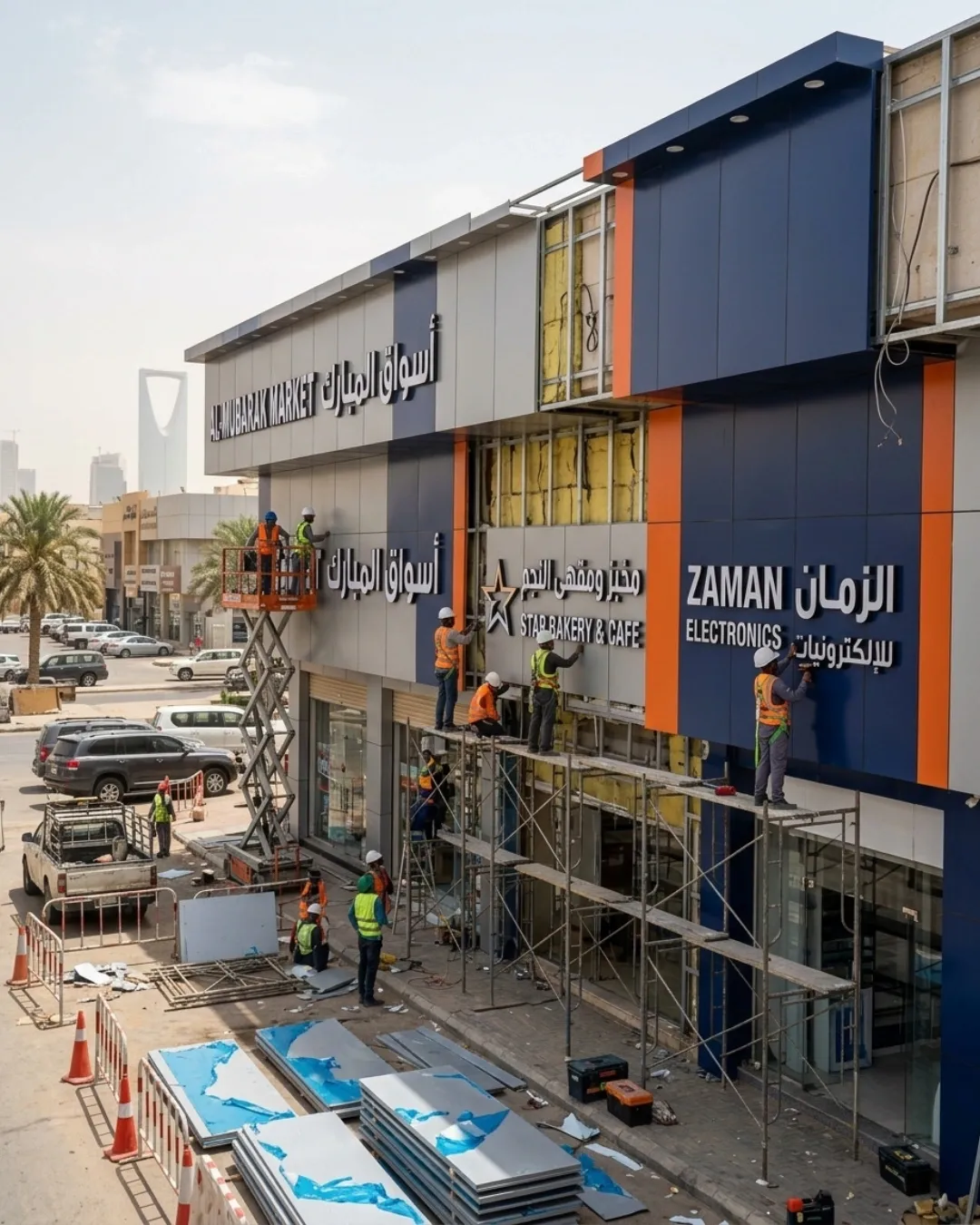
ACP cladding wraps a building or shop facade in aluminium composite panels on a supporting frame, giving it a flat, modern exterior without rebuilding. Exhibition Printing Riyadh surveys, fabricates and installs cladding from its Riyadh factory for retailers, developers, contractors and property owners across Saudi Arabia.
A frontage that looks dated usually has nothing wrong with its structure; the problem is the surface. ACP cladding solves that by fixing a frame to the existing wall and covering it with composite panels, so the building gains straight lines and a uniform finish while the structure behind stays untouched.
The work runs in a set order. First a survey, because panel layout, joint lines and returns around columns depend on real dimensions. Then fabrication in Riyadh: panels are routed and folded on CNC machines into trays that fit the layout. Then installation, with the frame levelled and panels fixed in sequence. Solid, metallic and wood-look finishes are available on request, and specific panel grades, including fire-rated options, can be supplied to a consultant's specification.
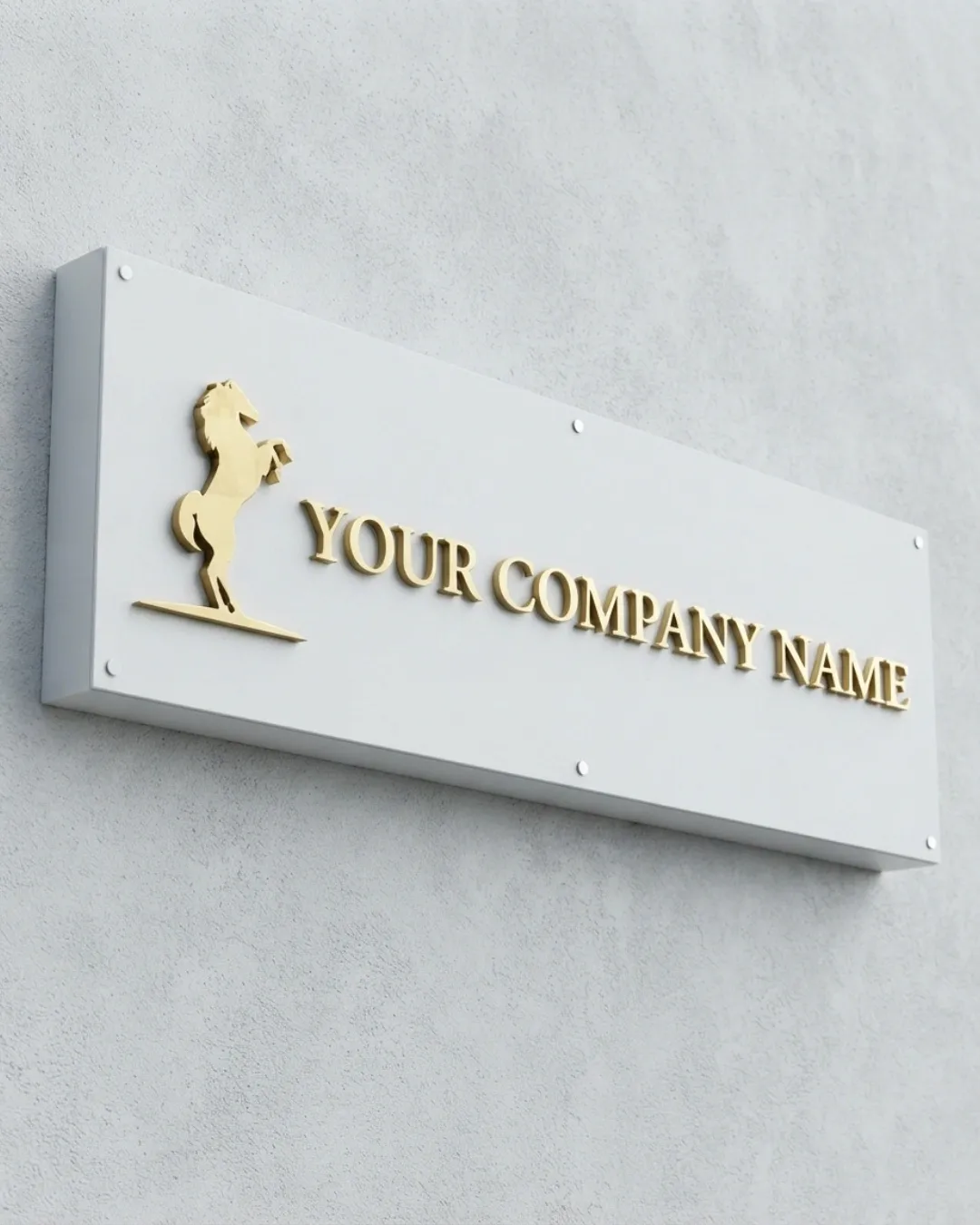
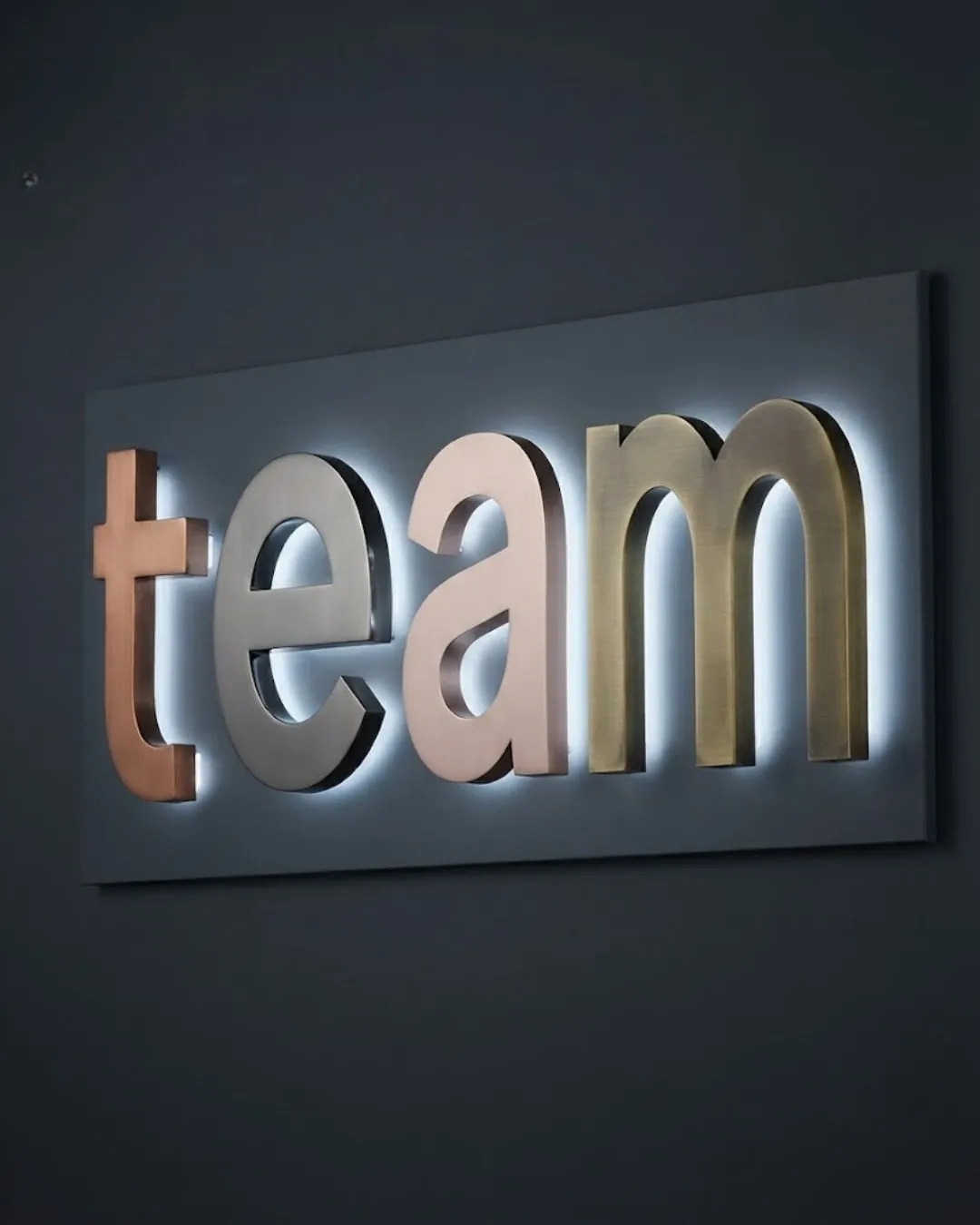
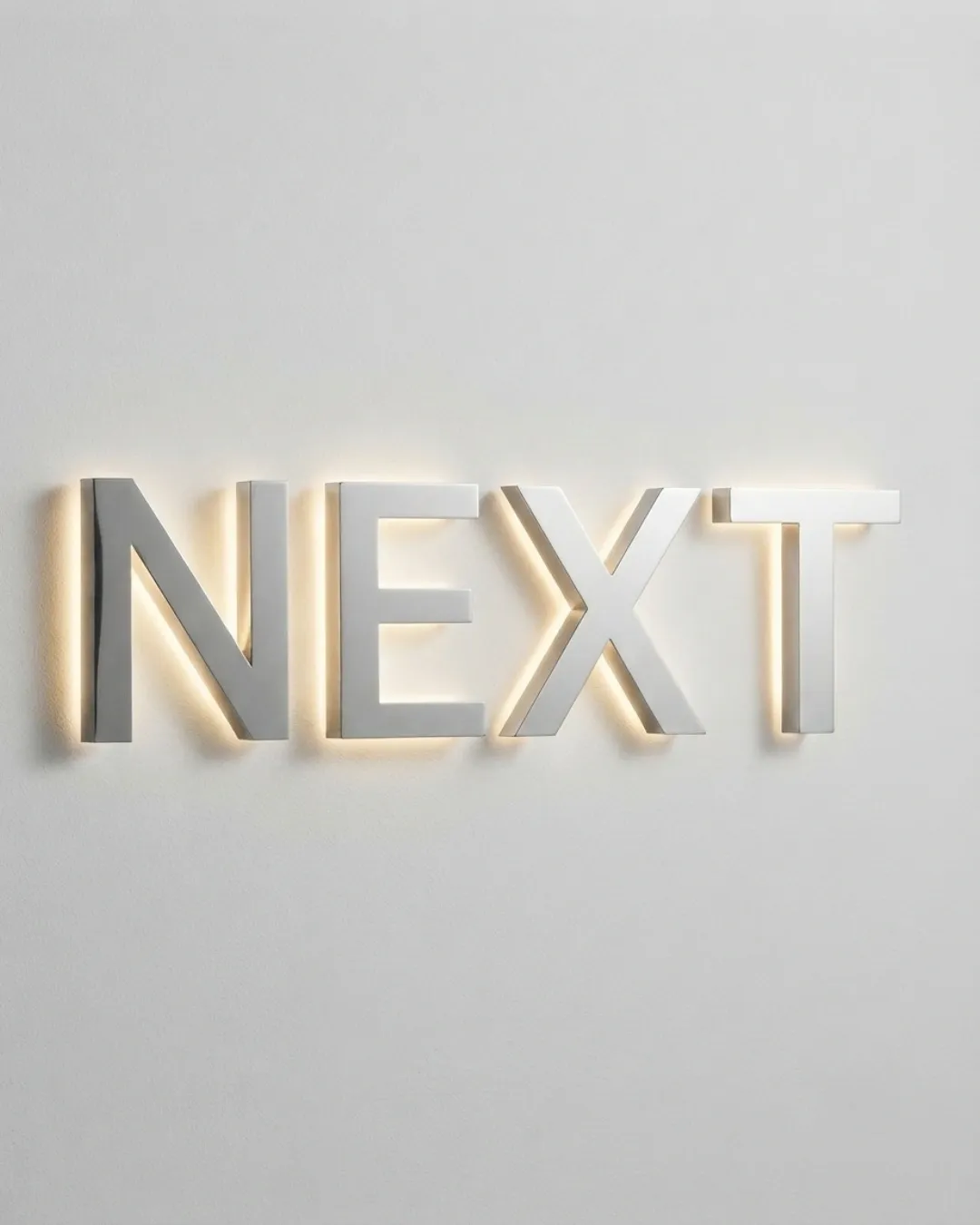
Cladding and signage are best planned as one drawing. The position of the logo, the cut-outs for lit letters and any recessed signage band are decided before panels are cut, not after. Timelines depend on facade area, height and site access, so we confirm them after the survey. Share elevation photos or drawings to book one.
Who orders this
Shopfront renovations
Commercial and office buildings
Showrooms and service centers
Fuel stations and retail strips
Contractor and developer projects
How is a cladding job carried out?
The team measures the facade, draws the panel layout and builds a subframe, usually from aluminium or galvanised steel, fixed back to the structure. Panels are routed and folded into trays, then hung with even gaps. Joints are sealed or left as open reveals, depending on the design. The subframe does the real work, as it corrects uneven walls and creates a flat plane, so a tidy result depends on it.
Which panel specification should I ask for?
Focus on three things: coating, core and skin thickness. PVDF coatings suit sun-exposed facades better than basic polyester. Core type matters for building safety, and fire-retardant cores should be used where your consultant or project specification calls for them, so raise this before pricing. Thicker aluminium skins stay flatter and resist dents better. Get the grade written into the quote, so you can compare offers fairly.
How do I look after a clad facade?
Wash panels with water and a mild detergent using soft tools, working from top to bottom. Avoid high-pressure jets directly on joints and sealant. Check sealant lines from time to time, since they harden and crack in heat before the panels show any wear. Keep spare panels from the same batch if you can, because colours can vary slightly between production runs.
ACP Cladding: options compared
Option
Best for
Good to know
Solid colour finish
Most shopfronts and brand colours
Widest choice and simple to match, on request
Metallic finish
Modern offices and showrooms
Shows direction, so panels must face the same way, on request
Wood-look finish
Cafes and warm frontages
Timber appearance with far less upkeep, on request
PVDF coated panel
Sun-exposed facades
Better colour hold, at a higher material cost, on request
Fire-retardant core
Projects where the specification requires it
Tell us the requirement before pricing, on request
What affects the price of ACP Cladding
01
Facade areaLarger facades need more panels and more subframe, although some costs spread across the area.
02
Panel specificationCoating type, skin thickness, core and special finishes all change the material cost.
03
Facade complexityColumns, curves, returns and many corners mean more cutting, folding and wastage.
04
Height and accessScaffolding, lifts and traffic or working-hour limits add to the installation.
What to send us
Elevation drawings or facade plans, in PDF or DWG, if available.
Photos of the whole frontage and close-ups of corners and columns.
Colour and finish code, or your consultant's specification.
Positions of any logos, lighting, AC units or cables to be worked around.
Good to know
ACP Cladding: common questions
Quick answers about our services, timing, artwork and delivery. Have another question? Call or WhatsApp us.
Often, yes, using a supporting frame. We survey the facade condition first to confirm the approach for your building.
Do you offer fire-rated ACP panels?
Fire-rated panel grades can be requested. Share your project specification and we will confirm what can be supplied.
How long does a cladding project take?
It depends on the facade size, height and site access. We confirm the timeline after the survey.
Can a damaged panel be replaced on its own?
Usually, yes, though it depends on how the facade was hung and sealed. Colour may differ slightly from older panels, so keeping a spare is useful.
Can cladding hide AC units and cables?
It can conceal cables and untidy services behind the panels. AC units still need airflow and access, so these are usually covered with louvres or left with access openings.
Should the sign be planned before the cladding goes up?
Yes, whenever possible. Planning both together means reinforcement and cable routes can go behind the panels, avoiding later drilling through a finished facade.