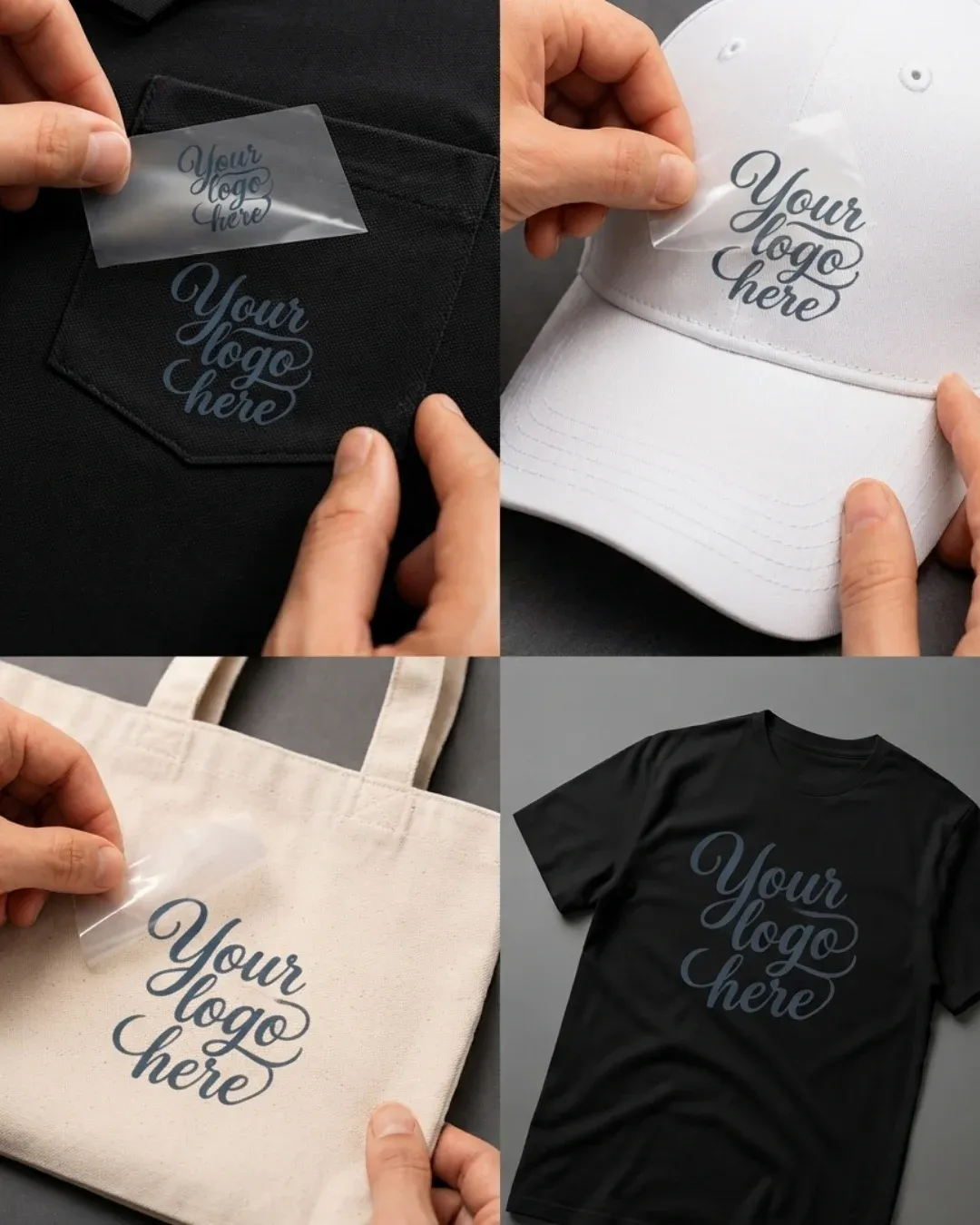
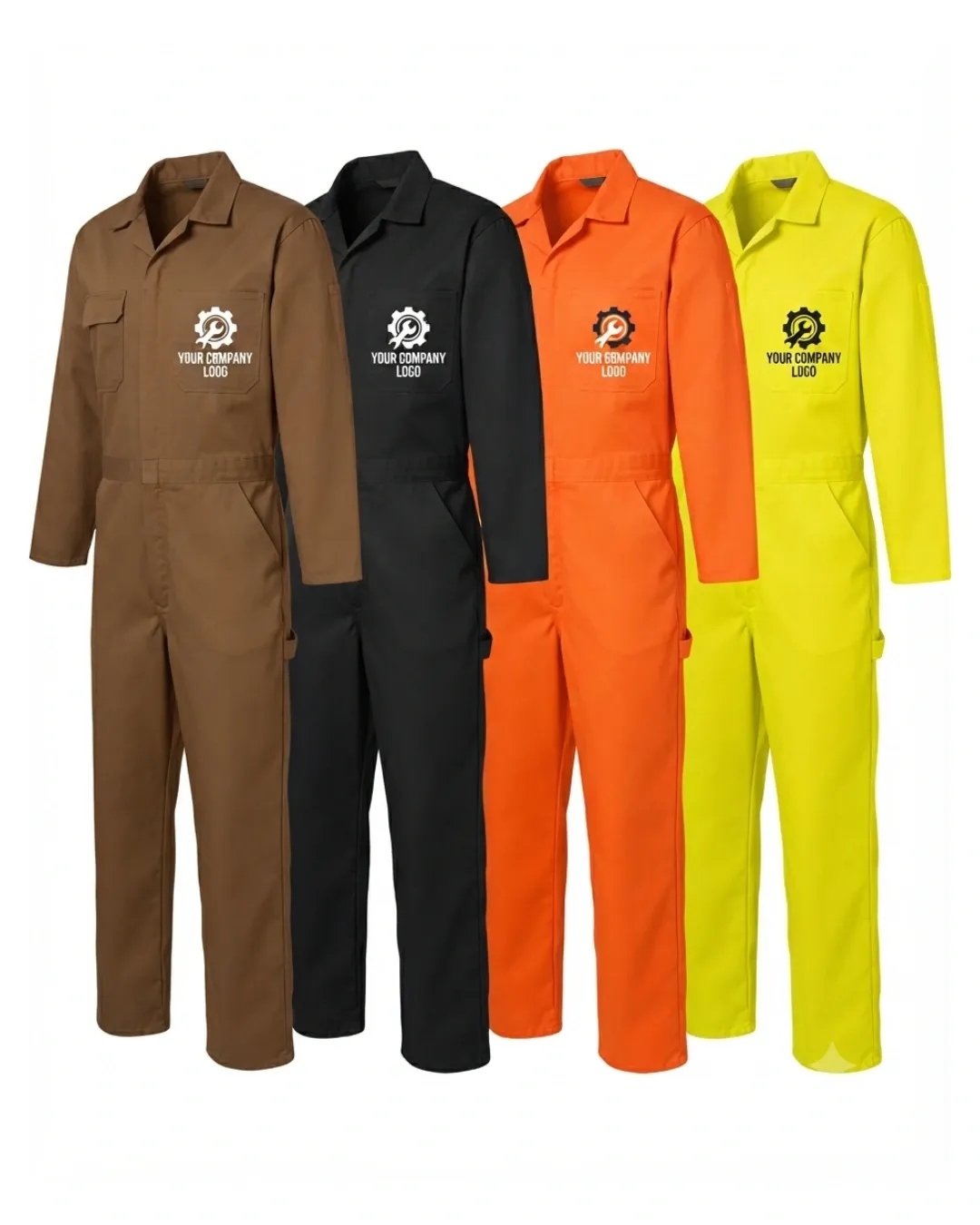
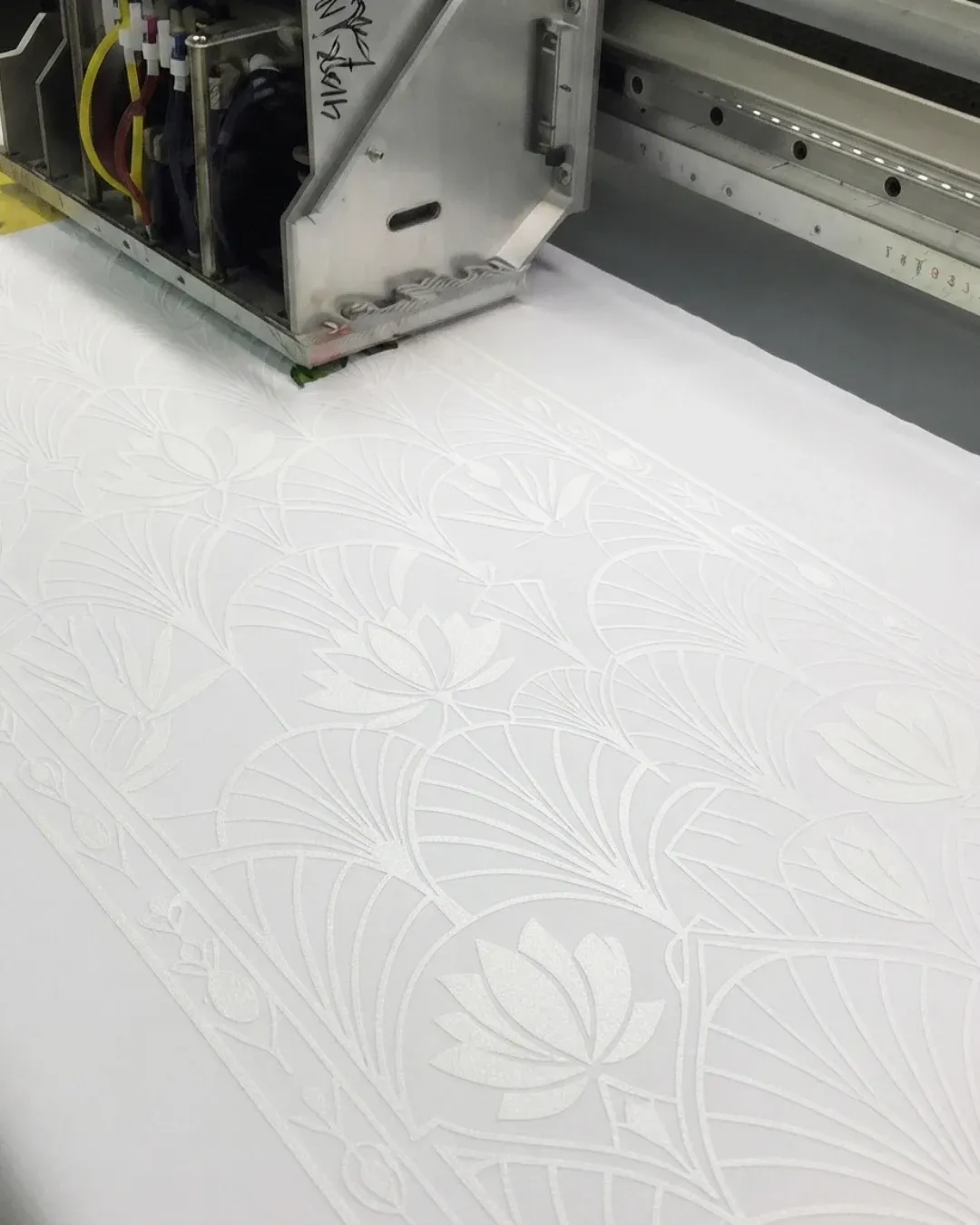
Apparel and textile printing covers every branded garment an exhibition or event needs: crew T-shirts, promo-team caps, marshal vests, corporate uniforms and printed fabric. Exhibition Printing Riyadh produces all of them in its own Riyadh factory using silk screen, silicone screen and DTF methods, then delivers finished orders anywhere in Saudi Arabia.
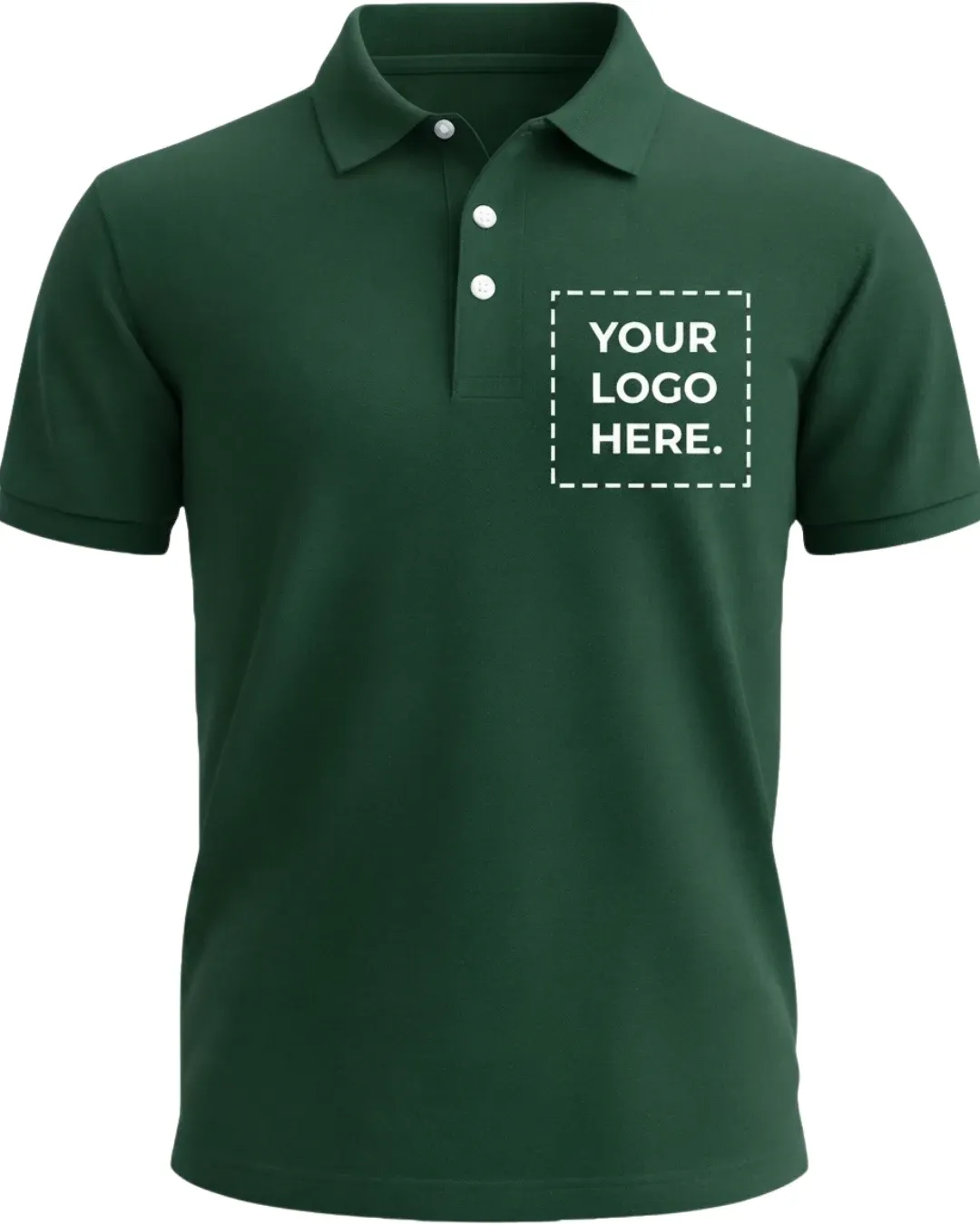
Walk any exhibition hall and you will see the same problem solved in different ways: stand staff in matching tees, a promo team in caps, marshals in printed vests, hostesses in uniforms. Each is a separate garment with its own print logic, and this category page exists so you can pick the right one quickly.
Choose by item first. Crew and giveaway shirts go to T-shirt printing. Headwear goes to cap printing, because the curved front panel limits logo size. High-visibility vests for marshals and site teams go to safety vest printing, where the layout must avoid the reflective tape. Fabric by the metre, or garments outside those groups, go to textile printing.
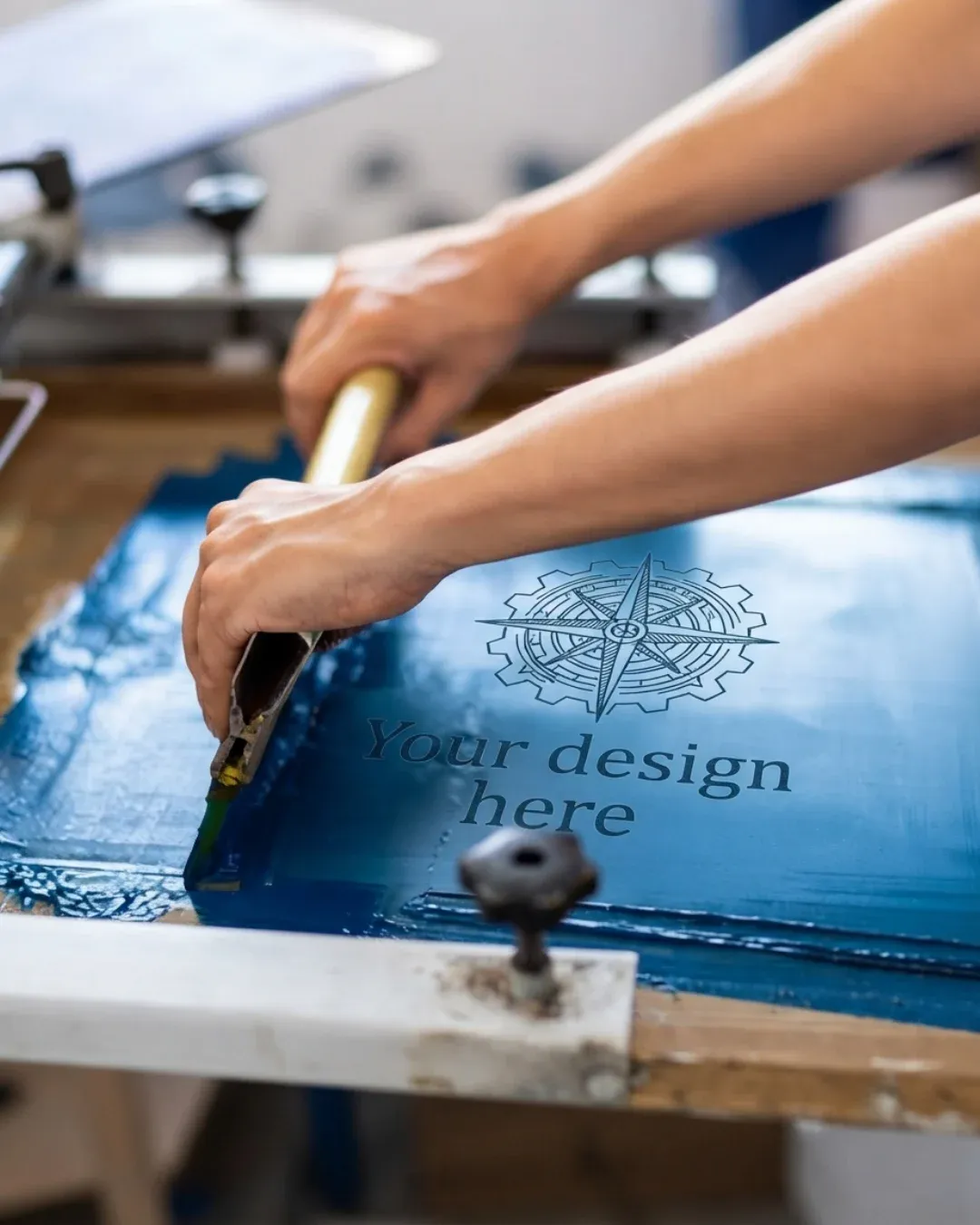
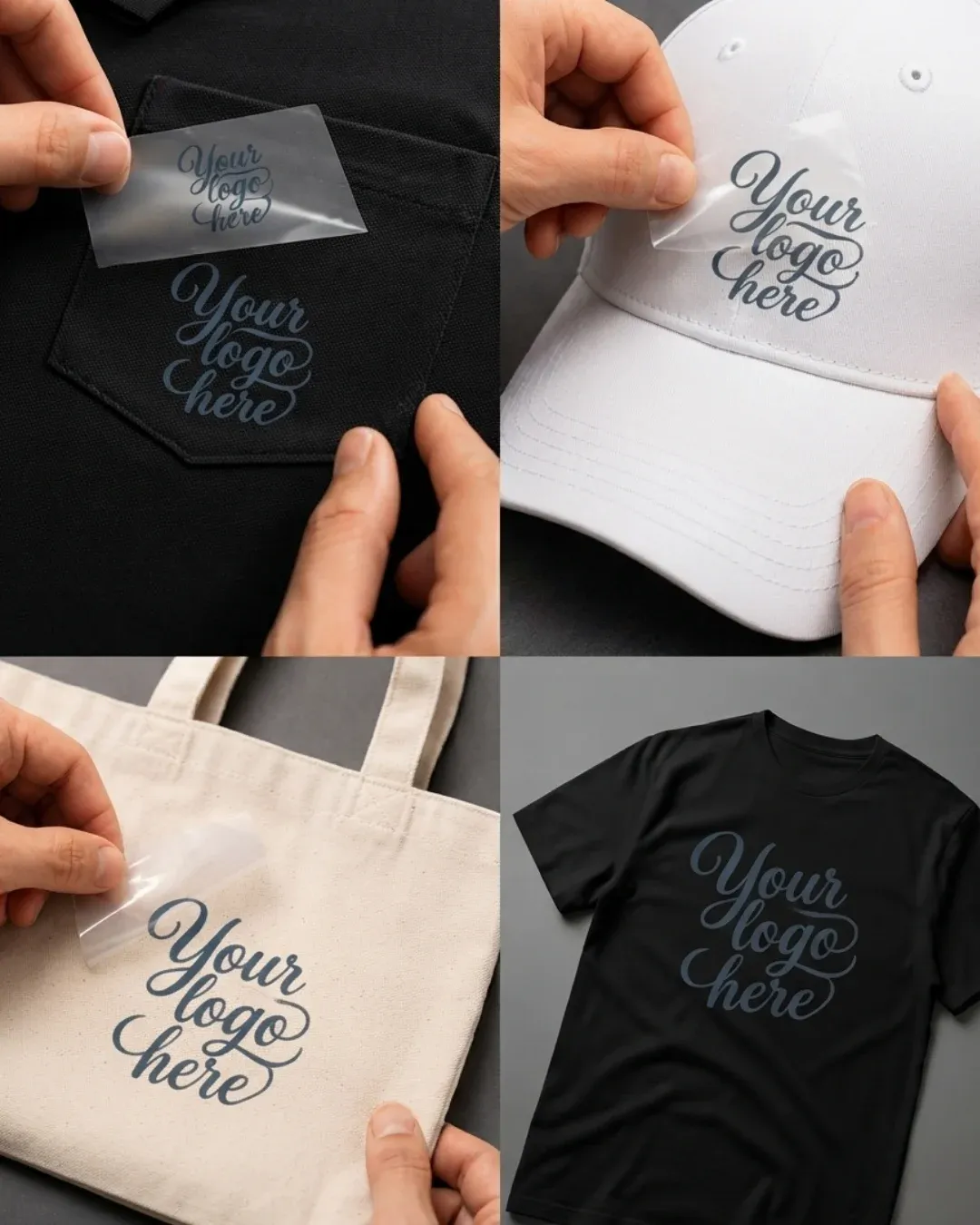
Then choose by method. Silk screen printing, including our automatic silicone line, suits bulk runs of a logo with a few spot colours, and the cured ink holds up to repeated washing. DTF suits photos, gradients and short runs, and it moves between fabrics without new setup. A show with 300 plain crew tees and 20 full-colour VIP shirts would use both.
Send one enquiry listing every item, quantity and size. Our design team in Riyadh checks the artwork free of charge, and orders typically ship in 2-5 business days to any city in the Kingdom.
Who orders this
Companies branding staff clothing
Retailers and clothing labels
Schools and sports clubs
Event and campaign organisers
Field and site teams
Which apparel service do I actually need?
Start from the item. Shirts for staff or events belong under T-shirt printing. Headwear has its own curved-panel limits, so use cap printing. High-visibility workwear needs a layout planned around reflective tape, so go to safety vest printing. Choose textile printing for fabric or mixed garments, and look at DTF if your design is the deciding factor: photos, gradients or small batches. If your project crosses several of these, send one enquiry and we will split it by item.
Why might one project use two print methods?
Each method has a cost and detail profile. A silicone screen run suits a simple logo on many pieces, because the setup is spread across the quantity. DTF has no per-colour screen, so it suits detailed art and short runs. A company could reasonably screen print its plain staff shirts and use DTF for a small batch of colourful event shirts. Colours can look slightly different between methods, so tell us if pieces will be worn side by side.
How do I make printed clothing last longer?
Wash printed garments inside out in cool water with mild detergent, and skip bleach. Air drying is kinder to prints than a hot dryer. Never iron directly over the print: iron from the reverse or place a cloth between. Avoid stacking garments while damp, as print surfaces can stick together. These habits apply to both screen and DTF prints, and they matter most for staff clothing that is washed often.
Apparel & Textile Printing: options compared
Option
Best for
Good to know
Silicone screen printing
Larger runs of logos with few colours
Each colour needs its own screen, so cost per piece falls as quantity grows
DTF transfer
Detailed, multi-colour art and small batches
Large solid areas can feel heavier on the fabric than a small logo does
Embroidery
Polished logos on polos and caps
Available on request; very fine detail and small text may need simplifying
Sublimation
All-over designs on light polyester sportswear
Available on request; not suited to cotton or dark garments
What affects the price of Apparel & Textile Printing
01
QuantityLarger runs spread setup across more pieces, which usually lowers the cost of each item.
02
Print method and coloursScreen printing costs rise with each colour, while DTF cost follows the printed area.
03
Garment choiceFabric, weight and garment type change the base cost before any printing is added.
04
Number of print positionsEach extra position, such as a back print or sleeve, adds handling and print time.
What to send us
A vector logo (AI, EPS or PDF) if you have one
A list of items, quantities and sizes per item
Where the print goes on each item, with a rough width
Brand colour codes, such as Pantone, if colour matters
Good to know
Apparel & Textile Printing: common questions
Quick answers about our services, timing, artwork and delivery. Have another question? Call or WhatsApp us.
Which print method should I choose for my garments?
Silicone screen printing usually suits larger runs, while DTF suits detailed, multi-colour designs and smaller quantities. Share your artwork and quantity and we will recommend the better fit.
Can I order different products in one project?
Yes, you can combine T-shirts, caps, vests and other items in one enquiry. We will confirm the method and any minimum for each product.
Do you deliver outside Riyadh?
Yes, we deliver across Saudi Arabia from our Riyadh factory. Standard orders typically take 2-5 business days, with rush production on request.
Can you print Arabic and English together on clothing?
Yes, as long as the letter strokes are thick enough to print cleanly at the chosen size. Thin Arabic calligraphy can lose detail when small, so send the design as outlined vector text and we will check it.
Will my garments match if I reorder later?
Usually close, but not guaranteed to be identical, because garment batches and ink can vary slightly. Quote your earlier order and any brand colour codes so we can get as close as possible.
Will the print feel thick on the garment?
It depends on the size and method. Small logos are barely noticeable, while large solid areas feel more noticeable, so splitting a big block into a lighter design can help the garment stay comfortable.